
Can the food we eat really impact our hormonal well-being? The answer lies in understanding the intricate relationship between diet and hormone regulation. A growing body of evidence suggests that a well-crafted diet can play a crucial role in maintaining hormonal balance.
A balanced diet provides the body with the necessary building blocks to support hormone production and regulation. By making informed dietary choices, individuals can take a proactive approach to supporting their hormone health.
As we explore the connection between nutrition and hormone health, it becomes clear that a thoughtful approach to diet can have a significant impact on overall well-being. In this article, we will delve into the specifics of a hormone-supporting diet and provide practical guidance for making lasting changes.
Key Takeaways
- A balanced diet is crucial for maintaining hormonal balance.
- Dietary changes can significantly impact hormone health.
- A well-crafted diet provides the necessary building blocks for hormone production.
- Making informed dietary choices supports overall well-being.
- A hormone-supporting diet can lead to lasting health benefits.
Understanding the Connection Between Nutrition and Hormones
The food we eat has a direct impact on our endocrine system, influencing hormone production and regulation. This complex relationship between nutrition and hormones is fundamental to our overall health and well-being.
How Food Directly Impacts Your Endocrine System
The endocrine system, a network of glands producing hormones, is crucial for regulating various bodily functions, including growth, metabolism, and reproductive processes. The quality of our diet plays a significant role in supporting or disrupting this delicate hormonal balance. Foods rich in nutrients can support hormone production, while a diet lacking essential nutrients can lead to imbalances.
For instance, consuming foods high in sugar can lead to insulin resistance, a condition where the body’s cells become less responsive to insulin, resulting in poor blood sugar regulation. Similarly, a diet deficient in omega-3 fatty acids can impair the production of hormones that rely on these healthy fats.
Common Signs Your Hormones May Be Out of Balance
Hormonal imbalances can manifest in various ways, making it sometimes challenging to identify the root cause. However, there are common signs that may indicate a hormonal issue. These include persistent fatigue, mood swings, weight gain or loss, and changes in appetite or sleep patterns. Recognizing these signs early can be crucial in addressing the underlying hormonal imbalance.
A hormonal balance diet plan can be an effective strategy for managing and correcting hormonal imbalances. By focusing on nutrient-dense foods and avoiding dietary triggers, individuals can support their endocrine system’s health and promote hormone regulation through diet.
The Key Hormones Influenced by Your Diet
Your diet plays a crucial role in maintaining hormonal balance, influencing key hormones that regulate various bodily functions. The food you consume can either support or disrupt the delicate balance of your endocrine system, impacting overall health and well-being.
Insulin and Blood Sugar Regulation
Insulin, produced by the pancreas, is a critical hormone that regulates blood sugar levels. Consuming high amounts of refined carbohydrates and sugars can lead to insulin resistance, a precursor to type 2 diabetes. On the other hand, a diet rich in fiber and whole foods can help maintain insulin sensitivity.
A balanced diet that includes complex carbohydrates, lean proteins, and healthy fats can support healthy insulin function. As Dr. Mark Hyman notes, “The key to managing insulin is not just about cutting carbs, but about choosing the right carbs and balancing them with protein and fat.”
Cortisol and Your Stress Response
Cortisol, often referred to as the “stress hormone,” is produced by the adrenal glands. It plays a vital role in responding to stress, regulating blood pressure, and maintaining energy levels. However, chronically elevated cortisol levels due to prolonged stress or poor dietary habits can lead to weight gain, fatigue, and other health issues.
A diet rich in whole foods, fruits, and vegetables can help mitigate stress and support healthy cortisol levels. Incorporating foods high in omega-3 fatty acids, such as salmon, can also help reduce inflammation caused by chronic stress.
Thyroid Hormones and Metabolic Function
The thyroid gland produces hormones that regulate metabolism, energy production, and growth. Nutritional deficiencies, particularly in iodine, selenium, and zinc, can impact thyroid function. Consuming a diet rich in these nutrients can support thyroid health.
As noted by thyroid expert, Dr. Amy Myers, “The right nutrients are crucial for thyroid function. Ensuring adequate intake of iodine, selenium, and zinc through diet or supplementation is vital for maintaining a healthy thyroid.”
Sex Hormones: Estrogen, Progesterone, and Testosterone
Sex hormones play a crucial role in reproductive health, libido, and overall well-being. Dietary choices can influence the balance of estrogen, progesterone, and testosterone. For example, a diet high in processed foods and low in fiber can lead to estrogen dominance, while a diet rich in healthy fats supports the production of sex hormones.
“Diet is a powerful tool in maintaining hormonal balance. By making informed choices about the foods we eat, we can support our endocrine system and overall health.”
By understanding how different nutrients and foods impact these key hormones, individuals can make informed dietary choices to support their hormonal health and overall well-being.
Building Your Hormone Balanced Nutrition Strategy
To achieve hormone harmony, it’s essential to develop a balanced nutrition plan tailored to your needs. A well-structured diet can significantly impact your hormone balance, enhancing overall health and well-being.
Step 1: Prioritize Quality Protein at Every Meal
Quality protein is fundamental for hormone production and regulation. Including a source of protein at every meal can help stabilize blood sugar levels and provide the necessary building blocks for hormone synthesis.
Examples of quality protein sources include:
- Lean meats like chicken and turkey
- Fish rich in omega-3 fatty acids, such as salmon
- Eggs and dairy products
- Legumes and beans for plant-based options
Step 2: Include Healthy Fats for Hormone Production
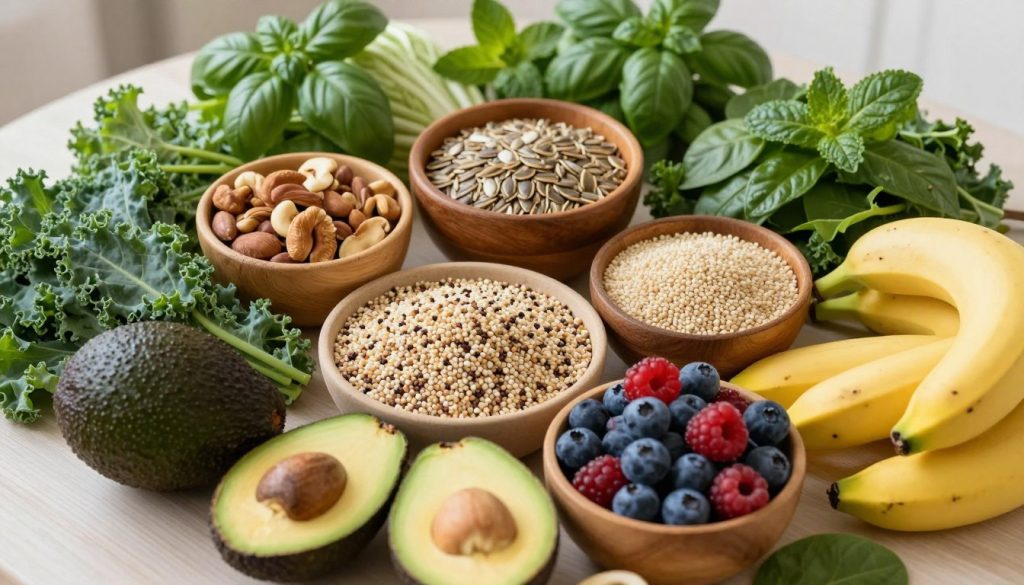
Healthy fats are crucial for hormone production as they provide the necessary fats for the synthesis of steroid hormones. Including sources of healthy fats in your diet can support hormone balance.
Healthy fat sources include:
- Avocados and avocado oil
- Nuts and seeds, such as almonds and chia seeds
- Olive oil and coconut oil
- Fatty fish, as mentioned earlier
Step 3: Choose Complex Carbohydrates Over Refined Options
Complex carbohydrates provide sustained energy and fiber, which can help regulate blood sugar levels and support digestive health. Choosing whole grains over refined carbohydrates is a key step in a hormone-balanced diet.
“The food you eat can either be the safest and most powerful form of medicine, or the slowest form of poison.” – Ann Wigmore
Examples of complex carbohydrates include whole grains like quinoa, brown rice, and whole wheat, as well as a variety of vegetables.
Step 4: Load Up on Fiber-Rich Whole Foods
Fiber-rich foods are essential for maintaining healthy digestion and supporting hormone balance. A diet high in fiber can help regulate estrogen levels and support overall gut health.
Fiber-rich foods include:
- Fruits, such as apples and berries
- Vegetables, like broccoli and carrots
- Legumes and beans
- Whole grains
By following these steps and incorporating hormone balancing foods into your diet, you can create a diet for hormone harmony that supports your overall health and well-being.
Essential Hormone Balancing Foods to Include Daily
A hormone balanced nutrition strategy isn’t just about what you avoid, but also about what you include in your diet daily. Incorporating specific foods that support hormone health can make a significant difference in achieving optimal hormone levels through nutrition.
Cruciferous Vegetables for Healthy Estrogen Metabolism
Cruciferous vegetables such as broccoli, cauliflower, and kale are rich in compounds that support healthy estrogen metabolism. These vegetables contain sulforaphane, which has been shown to help balance estrogen levels in the body.
Incorporation Tip: Add kale to your smoothies or sauté broccoli as a side dish to reap the benefits.
Omega-3 Rich Foods for Reducing Inflammation
Omega-3 fatty acids found in fatty fish like salmon, sardines, and mackerel are crucial for reducing inflammation, which is linked to hormone imbalance. These healthy fats support the production of hormones and help maintain the integrity of cells.
Nutritional Boost: Include a serving of fatty fish in your diet at least twice a week.
Fermented Foods for the Gut-Hormone Connection
Fermented foods such as yogurt, kefir, and sauerkraut are rich in probiotics, which support gut health. A healthy gut microbiome is essential for hormone production and balance, as it influences the endocrine system.
Daily Dose: Enjoy a serving of yogurt or a side of sauerkraut daily to support your gut health.
Nutrient-Dense Superfoods for Hormonal Support
Nutrient-dense superfoods like spinach, avocado, and nuts are packed with vitamins and minerals that support hormonal health. For example, avocados are rich in healthy fats that support the production of hormones.

| Food | Hormonal Benefit | Tips for Inclusion |
|---|---|---|
| Cruciferous Vegetables | Supports healthy estrogen metabolism | Add to salads, sauté as a side dish |
| Fatty Fish | Reduces inflammation, supports hormone production | Grill or bake, include twice a week |
| Fermented Foods | Supports gut health, influences endocrine system | Enjoy daily as a side or in smoothies |
| Nutrient-Dense Superfoods | Packed with vitamins and minerals for hormonal health | Add to salads, smoothies, or as a snack |
By incorporating these essential foods into your daily diet, you can take a significant step towards achieving a hormone balanced nutrition strategy and supporting your overall hormonal health.
Creating Your Personalized Hormonal Balance Diet Plan
Developing a personalized hormonal balance diet plan requires understanding your nutritional needs and how they impact your hormones. A well-crafted diet plan can help support hormonal health, leading to improved overall well-being. To create an effective plan, it’s essential to consider several key factors, including meal structure, timing, and macronutrient ratios.
Sample Daily Meal Structure for Hormone Health
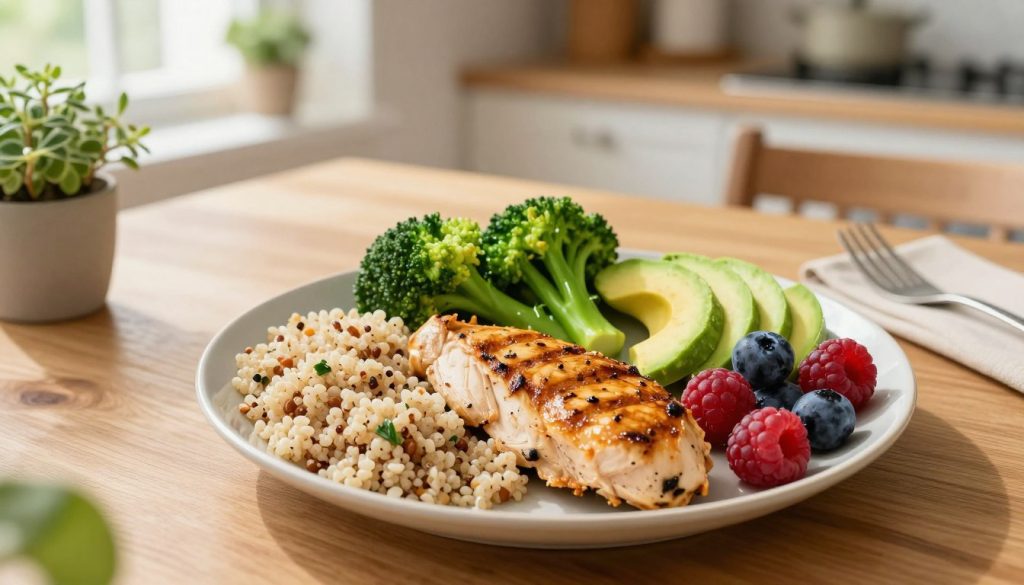
A balanced daily meal structure is crucial for maintaining hormonal balance. A sample meal plan might include breakfast rich in protein and healthy fats, such as scrambled eggs with avocado, to help regulate cortisol and provide sustained energy throughout the morning.
Lunch could include a mix of complex carbohydrates, like quinoa, paired with lean protein and vegetables, supporting insulin balance and providing fiber. Dinner might focus on omega-3 rich foods and fiber-rich vegetables to aid in hormone production and regulation.
Optimal Meal Timing and Frequency
Meal timing and frequency can significantly impact hormonal balance. Eating at consistent times each day can help regulate insulin and cortisol levels. For some, adopting a regimen of smaller, more frequent meals can help maintain stable energy levels and support hormonal health.
It’s also important to listen to your body and adjust your meal timing based on your individual needs and activity levels. For example, consuming a balanced meal or snack with protein and complex carbohydrates within an hour after exercise can help support muscle recovery and hormone regulation.
Determining Your Ideal Macronutrient Ratios
Determining the right macronutrient ratios is a personal process that depends on factors such as age, activity level, and health goals. A general guideline for a hormonal balance diet plan is to aim for a balanced intake of protein, healthy fats, and complex carbohydrates.
- Aim for 0.8-1 gram of protein per kilogram of body weight to support hormone production and muscle health.
- Incorporate healthy fats like those found in nuts, seeds, avocados, and olive oil to support hormone production and overall health.
- Choose complex carbohydrates such as whole grains, fruits, and vegetables, which provide fiber and support blood sugar balance.
By considering these factors and tailoring your diet plan to your individual needs, you can create a hormone optimizing meal guide that supports your overall health and well-being.
Foods and Habits to Avoid for Hormone Harmony
Achieving hormone harmony requires not just adding the right foods to your diet, but also avoiding certain foods and habits that can disrupt your hormonal balance. While incorporating nutrient-dense foods is crucial, being mindful of potential dietary disruptors is equally important for maintaining optimal hormone health.
Processed Foods and Refined Sugars That Disrupt Balance
Processed foods and refined sugars are among the top dietary factors that can negatively impact hormone balance. These foods often contain unhealthy fats, artificial additives, and a high glycemic index that can lead to insulin resistance, a precursor to various hormonal imbalances. Reducing the intake of processed and sugary foods is a significant step towards achieving better hormone regulation.
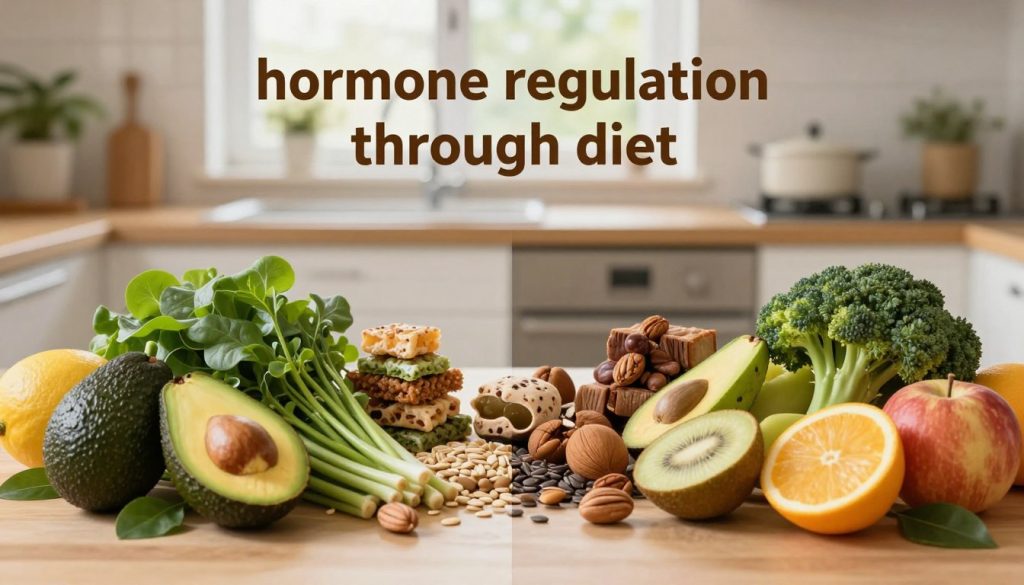
Common sources of refined sugars include baked goods, candy, and sweetened beverages. Replacing these with whole, nutrient-dense foods can significantly improve your hormonal wellness. For instance, choosing whole fruits over fruit juices or snacks can help stabilize blood sugar levels and support overall hormone health.
Endocrine Disruptors in Food Packaging and Storage
Endocrine disruptors are chemicals that can interfere with your body’s endocrine system, affecting hormone production and balance. These disruptors can be found in certain food packaging materials, such as plastics containing BPA, and in some non-stick cookware. Opting for glass or stainless steel containers for food storage and choosing cookware made from safer materials can help minimize exposure to these hormone-disrupting chemicals.
Managing Alcohol and Caffeine Intake
Both alcohol and caffeine, when consumed in excess, can have a negative impact on hormone balance. While moderate caffeine intake is generally safe for most people, excessive consumption can affect cortisol levels and sleep quality, both of which are crucial for hormone regulation. Similarly, excessive alcohol consumption can disrupt the balance of sex hormones and thyroid function. Being mindful of your intake of these substances and keeping it within moderate levels is key to supporting hormone harmony.
Identifying Your Personal Dietary Triggers
Everyone’s body is different, and certain foods or habits that cause hormonal imbalances in one person may not have the same effect on another. Keeping a food diary can be a helpful tool in identifying personal dietary triggers. By tracking what you eat and any subsequent symptoms, you can pinpoint specific foods or habits that may be disrupting your hormone balance, allowing you to make informed dietary adjustments.
By being aware of and avoiding these potential dietary disruptors, you can take a significant step towards achieving and maintaining hormone harmony. This, combined with the nutrient-dense dietary approach outlined in previous sections, will support your overall hormonal wellness and contribute to a healthier, more balanced you.
Conclusion
By now, it’s clear that a well-balanced diet plays a crucial role in maintaining optimal hormone levels. A diet for hormone harmony isn’t just about cutting out certain foods; it’s about embracing a comprehensive nutrition strategy that supports your endocrine system.
Focusing on whole, nutrient-dense foods and being mindful of your macronutrient ratios can significantly impact your hormone health. By incorporating essential hormone-balancing foods into your daily meals and avoiding endocrine disruptors, you’re taking proactive steps towards achieving optimal hormone levels through nutrition.
As you embark on this journey, remember that small, consistent changes can lead to lasting results. Start by implementing one or two changes to your diet and lifestyle, and gradually work your way up to more significant adjustments. With time and patience, you’ll be on your way to a more balanced, harmonious you.