Are you tired of feeling sluggish and drained of energy? What if you could unlock your body’s natural ability to burn fat for fuel?
The human body is incredibly adaptable, and one of its most powerful adaptations is the fat adaptation system, which enables it to switch to burning fat as its primary energy source. This metabolic state is closely linked to metabolic flexibility, allowing individuals to perform at their best.
By understanding and leveraging this system, individuals can experience significant improvements in their overall health, energy levels, and physical performance.
Key Takeaways
- Understanding the fat adaptation system can improve overall health.
- Metabolic flexibility is crucial for optimal energy utilization.
- Adopting a fat adaptation lifestyle can enhance physical performance.
- The body’s ability to adapt to different energy sources is key to well-being.
- Leveraging metabolic flexibility can lead to improved energy levels.
What Fat Adaptation Means for Your Body
Understanding fat adaptation is key to unlocking improved physical performance and overall well-being. When your body becomes fat-adapted, it signifies a profound shift in how you utilize energy. Essentially, your metabolism becomes highly efficient at burning fat for fuel, a trait that not only enhances endurance but also supports weight management.
Defining Fat Adaptation and Metabolic Flexibility
Fat adaptation refers to the body’s ability to efficiently burn fat as its primary energy source. This state is closely linked with metabolic flexibility, the capacity to switch between different energy sources (fat vs. glucose) based on availability and demand. As noted by a leading expert, “Metabolic flexibility is crucial for adapting to different physiological conditions, such as exercise or fasting.” This flexibility is a hallmark of a healthy, adaptable metabolism.
Achieving fat adaptation requires a combination of dietary changes, primarily reducing carbohydrate intake and increasing fat consumption, alongside other lifestyle adjustments. By doing so, your body learns to rely on stored fat for energy, reducing dependence on glucose.
The Difference Between Being Fat-Adapted and Being in Ketosis
While often associated, being fat-adapted and being in ketosis are not the same. Ketosis is a metabolic state characterized by elevated levels of ketone bodies in the blood, resulting from a low-carb diet or fasting. Fat adaptation, on the other hand, is a broader metabolic state where the body is efficient at utilizing fat for energy, not necessarily requiring the presence of ketones. As highlighted by a renowned nutritionist, “Being fat-adapted means your body can efficiently use fat for fuel, whether you’re in ketosis or not.”
Real Benefits You’ll Experience from Fat Adaptation
The benefits of becoming fat-adapted are multifaceted, including:
- Improved Energy Levels: By tapping into stored fat, you can enjoy sustained energy levels.
- Enhanced Physical Performance: Fat adaptation can significantly improve endurance during prolonged activities.
- Weight Management: Efficient fat burning supports weight loss and maintenance.
- Mental Clarity: Many report improved cognitive function and mental clarity when fat-adapted.
As encapsulated by a well-known keto advocate, “Fat adaptation is not just about losing weight; it’s about transforming your body’s energy utilization for a healthier, more resilient you.”
Understanding the Fat Adaptation System
Understanding how the body switches from relying on carbohydrates to burning fat is crucial for those looking to improve their metabolic health. This metabolic shift, known as fat adaptation, allows the body to efficiently use fat as a primary energy source.
How Your Body Typically Produces Energy
Typically, the body relies on glucose, a simple sugar derived from carbohydrates, as its primary energy source. This glucose is converted into energy through a process called cellular respiration, where it is broken down in the presence of oxygen to produce ATP (adenosine triphosphate), the energy currency of the cell.
However, when carbohydrate intake is reduced, the body begins to deplete its glucose stores. In response, it starts to break down stored fat into molecules called ketones, which can be used as an alternative energy source. This process is fundamental to achieving fat adaptation.
The Metabolic Switch to Fat Burning Process
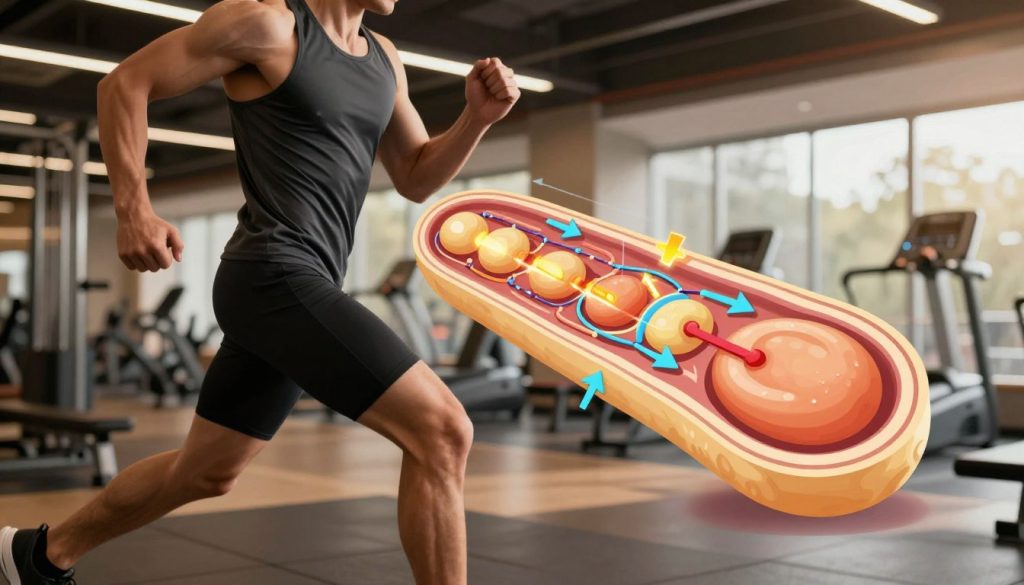
The metabolic switch to fat burning is initiated when the body’s glucose levels drop. This can happen due to fasting, a low-carb diet, or prolonged exercise. As glucose levels decrease, the liver begins to convert fat into ketones, which are then used by the brain, heart, and other organs for energy.
This switch is facilitated by various hormonal changes, including a decrease in insulin levels and an increase in glucagon and adrenaline. These hormonal adjustments signal the body to start breaking down fat stores, thereby initiating the fat adaptation process.
What Happens Inside Your Cells During Keto Adaptation
During keto adaptation, several changes occur within the cells. The mitochondria, often referred to as the powerhouses of the cell, start to increase in number and efficiency, allowing for a greater capacity to burn fat. The expression of genes involved in fat metabolism is also upregulated, further enhancing the body’s ability to utilize fat as a fuel source.
Moreover, the brain, which initially relies heavily on glucose for energy, adapts to using ketones as a primary fuel source. This adaptation can lead to improved mental clarity and reduced inflammation.
Realistic Timeline for Achieving Fat Adaptation
Achieving fat adaptation can take anywhere from a few weeks to a couple of months. The exact timeline varies depending on factors such as dietary changes, exercise habits, and individual metabolic differences.
| Timeline | Physiological Changes |
|---|---|
| 1-3 Days | Depletion of glucose stores, initial shift towards ketosis |
| 1-2 Weeks | Increased production of ketones, adaptation of brain and other organs to ketone utilization |
| 2-4 Weeks | Enhanced mitochondrial efficiency, increased fat burning capacity |
| 1-2 Months | Full adaptation to fat as primary energy source, improved metabolic flexibility |
By understanding the process of fat adaptation and the changes that occur within the body, individuals can better navigate their journey towards improved metabolic health and enhanced fat burning capabilities.
Your Complete Step-by-Step Guide to Fat Adaptation
Achieving fat adaptation requires a strategic approach that involves several key steps. By following these steps, you can successfully transition your body to rely on fat as its primary source of energy.
Step 1: Start by Lowering Your Carbohydrate Intake
The first step towards fat adaptation is to significantly reduce your carbohydrate intake. This means limiting foods that are high in carbs, such as sugary snacks, bread, and pasta.
How Many Carbs to Eat Daily
The daily carb intake for a ketogenic diet typically ranges from 20 to 50 grams. However, this can vary based on individual factors such as age, sex, and activity level. It’s essential to track your carb intake to ensure you’re within the desired range.
Which Foods to Eliminate First
Start by eliminating foods that are high in carbohydrates, such as:
- Sugary drinks and snacks
- Bread and baked goods
- Pasta and rice
- Starchy vegetables like potatoes
Step 2: Increase Your Healthy Fat Intake Properly
Once you’ve reduced your carb intake, it’s time to increase your consumption of healthy fats. This is crucial for providing your body with the necessary energy.
Best Fat Sources for Energy Production from Fats
Some of the best sources of healthy fats include:
- Avocados
- Nuts and seeds
- Fatty fish like salmon
- Coconut oil and olive oil

The amount of fat you need can vary based on your individual caloric needs. Generally, fat should make up 70-80% of your daily calories when following a ketogenic diet.
Step 3: Balance Your Protein Consumption
Balancing protein intake is crucial for maintaining muscle mass while adapting to a fat-based energy system.
Calculating Your Protein Requirements
Protein needs can vary based on factors like age, sex, and activity level. A general guideline is to consume 0.8-1 gram of protein per kilogram of body weight.
Why Too Much Protein Can Slow Fat Adaptation
Consuming too much protein can be counterproductive because excess protein can be converted into glucose, potentially slowing down the fat adaptation process.
Step 4: Support Your Body Through the Transition
As your body adapts to using fat for energy, it’s essential to support this transition by staying hydrated and maintaining electrolyte balance.
Hydration Guidelines for Low-Carb Adaptation
Aim to drink at least 8-10 glasses of water per day. You may need more based on your activity level and climate.
Essential Electrolytes to Prevent Side Effects
Pay attention to electrolytes like sodium, potassium, and magnesium. Include electrolyte-rich foods or supplements in your diet to prevent deficiencies.
Step 5: Exercise Strategically During Adaptation
Exercise is an important component of overall health, and it can also support the fat adaptation process.
Best Workout Types for Improving Fat Metabolism
Engage in aerobic exercises like walking, cycling, or swimming, as well as resistance training to improve metabolic flexibility.
When to Scale Back Intensity
During the initial adaptation phase, it’s advisable to reduce the intensity of your workouts until your body has fully adapted to using fat as its primary energy source.
Optimizing Your Fat Metabolism for Peak Performance
After adapting to a fat-based energy system, the key to unlocking your full potential lies in optimizing your fat metabolism. This involves a combination of advanced nutrition tactics, strategic training, and lifestyle adjustments that support metabolic flexibility.
Advanced Nutrition Tactics for Enhanced Fat Burning
Nutrition plays a critical role in optimizing fat metabolism. Two effective strategies include intermittent fasting and carb cycling.
Intermittent Fasting and Fat Adaptation
Intermittent fasting has been shown to enhance fat adaptation by increasing the body’s reliance on fat for fuel. This is achieved through periods of fasting or calorie restriction, which deplete glucose stores and promote the production of ketones.
“Intermittent fasting is not just about abstaining from food; it’s about creating a metabolic environment that fosters fat burning and improves overall health.”
Carb Cycling for Athletic Performance
Carb cycling involves alternating between high and low carbohydrate intake to optimize performance and fat loss. This strategy can be particularly beneficial for athletes who require high-intensity energy bursts.
| Nutrition Strategy | Benefits | Best For |
|---|---|---|
| Intermittent Fasting | Enhanced fat burning, improved insulin sensitivity | General health, weight loss |
| Carb Cycling | Optimized performance, enhanced fat loss | Athletes, high-intensity training |
Training Strategies That Boost Ketogenic Diet Adaptation
Training strategies are equally important in optimizing fat metabolism. Techniques such as fasted training and Zone 2 cardio can significantly enhance fat burning.
Fasted Training Benefits
Fasted training involves exercising on an empty stomach, typically in the morning. This can increase the body’s reliance on fat for energy and improve mental clarity.
Zone 2 Cardio for Fat Burning
Zone 2 cardio refers to low-intensity aerobic exercise that is performed at a moderate intensity. This type of training is effective for improving cardiovascular health and enhancing fat metabolism.

Lifestyle Factors That Support Metabolic Flexibility
Lifestyle factors such as sleep quality and stress management play a crucial role in supporting metabolic flexibility.
Sleep Quality and Fat Adaptation
Good sleep quality is essential for hormonal balance and metabolic health. Poor sleep can disrupt fat metabolism and hinder adaptation.
Stress Management Techniques
Chronic stress can negatively impact metabolic flexibility. Techniques such as meditation and yoga can help manage stress levels.
Troubleshooting Common Fat Adaptation Challenges
Common challenges such as the keto flu and stalled progress can be addressed through specific strategies.
Overcoming the Keto Flu
The keto flu is a temporary condition that some individuals experience when transitioning to a ketogenic diet. Staying hydrated and increasing salt intake can help alleviate symptoms.
What to Do If Progress Stalls
If progress stalls, reassessing nutrition and training strategies can help. This may involve adjusting macronutrient ratios or incorporating new training techniques.
Conclusion
Mastering the fat adaptation system is a powerful way to unlock your body’s natural fat-burning abilities, leading to enhanced performance and overall well-being. By understanding the principles of fat adaptation and following a step-by-step guide to achieve it, individuals can reap the benefits of this metabolic state.
As you’ve learned, achieving low-carb adaptation requires a comprehensive approach that includes dietary changes, strategic exercise, and lifestyle adjustments. By optimizing your fat metabolism, you can experience improved energy levels, enhanced mental clarity, and a reduced risk of chronic diseases.
Now that you’ve gained a deeper understanding of the fat adaptation process, it’s time to embark on your journey. Start by implementing the steps outlined in this guide, and be patient with your progress. With consistent effort and dedication, you can unlock the full potential of your body and enjoy the benefits of a fat-adapted lifestyle.