
Are you aware that a significant portion of your operational costs could be saved with a more efficient approach to energy usage? Implementing an effective energy efficiency solution can lead to substantial savings. A well-planned structured energy management system helps in optimizing energy consumption, reducing waste, and lowering utility bills.
By adopting such a system, businesses can not only reduce their energy expenditure but also contribute to a more sustainable future. The initial investment in setting up an efficient system can lead to long-term financial benefits.
Key Takeaways
- Implementing an energy efficiency solution can lead to significant cost savings.
- A structured energy management system optimizes energy consumption.
- Reducing energy waste lowers utility bills.
- Initial investment in an efficient system leads to long-term financial benefits.
- Energy efficiency contributes to a more sustainable future.
Why Your Business Needs Better Energy Management Today
In today’s fast-paced business environment, effective energy management is no longer a luxury, but a necessity. As companies strive to reduce operational costs and minimize their environmental footprint, adopting smart energy optimization strategies has become crucial.
Effective energy management enables businesses to monitor and control their energy consumption in real-time, allowing for the identification of inefficiencies and areas of waste. By leveraging sustainable energy management practices, companies can not only reduce their energy bills but also enhance their brand reputation by demonstrating a commitment to environmental stewardship.
The benefits of better energy management extend beyond cost savings. By optimizing energy usage, businesses can also improve their operational efficiency, reduce downtime, and extend the lifespan of their equipment. Moreover, with the increasing demand for sustainable practices from consumers and investors, adopting robust energy management systems can be a key differentiator in the market.
| Benefits | Description | Impact |
|---|---|---|
| Cost Savings | Reduced energy consumption leads to lower energy bills. | Immediate financial benefits. |
| Operational Efficiency | Optimized energy usage improves equipment performance and reduces downtime. | Enhanced productivity and reduced maintenance costs. |
| Environmental Stewardship | Reduced energy consumption minimizes environmental impact. | Improved brand reputation and compliance with environmental regulations. |
By embracing sustainable energy management practices, businesses can not only contribute to a more sustainable future but also reap significant economic benefits. As the business landscape continues to evolve, the importance of effective energy management will only continue to grow, making it an essential component of any successful business strategy.
Understanding a Structured Energy Management System
Energy efficiency is no longer a choice but a necessity, and a structured energy management system is at its core. Such a system is designed to optimize energy use, reduce waste, and promote sustainability within an organization.
Key Components of Energy Efficiency Solutions
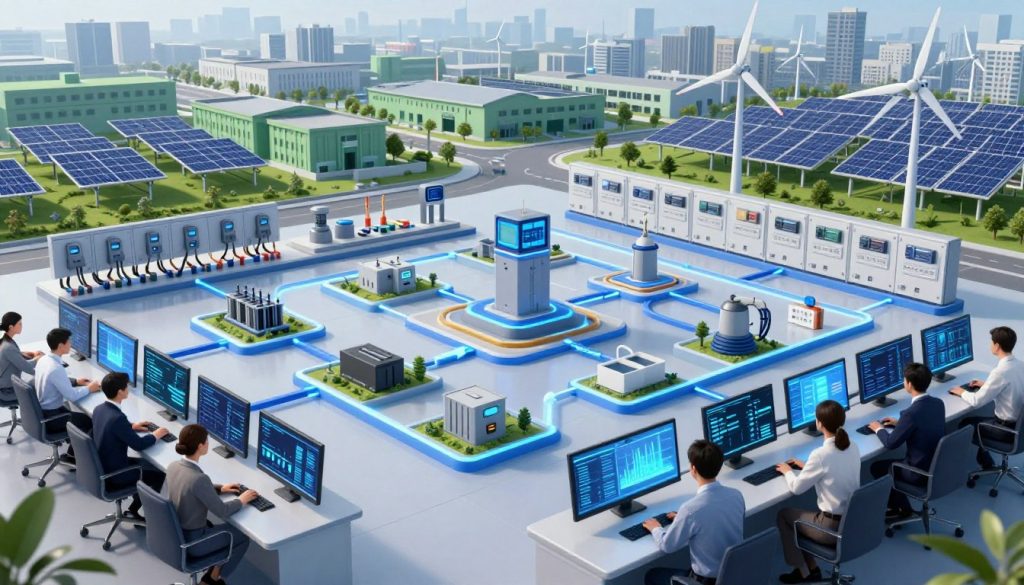
A structured energy management system comprises several key components that work together to achieve energy efficiency. These include:
- Advanced metering infrastructure
- Energy monitoring and analytics software
- Smart lighting and HVAC controls
- Energy-efficient equipment and appliances
By integrating these components, businesses can gain a comprehensive understanding of their energy usage patterns and identify areas for improvement.
The Role of Smart Energy Optimization
Smart energy optimization plays a crucial role in a structured energy management system. It involves using data analytics and real-time monitoring to optimize energy consumption. This can be achieved through:
- Predictive maintenance to prevent equipment failures
- Automated controls to adjust energy usage based on occupancy and demand
- Peak demand management to reduce strain on the grid during peak hours
Benefits Beyond Cost Savings
While cost savings are a significant benefit of a structured energy management system, there are other advantages as well. These include:
- Enhanced sustainability: By reducing energy consumption, businesses can lower their environmental impact.
- Improved operational efficiency: A structured energy management system can help identify inefficiencies and optimize operations.
- Increased property value: Energy-efficient buildings are more attractive to tenants and buyers.
By understanding and implementing a structured energy management system, businesses can reap these benefits and contribute to a more sustainable future.
Step 1: Perform a Detailed Energy Audit of Your Facility
A detailed energy audit is the foundational step in creating a more energy-efficient facility. This process involves a comprehensive examination of your facility’s energy usage to identify areas of inefficiency and opportunities for improvement.
Measuring Your Current Energy Baseline
To effectively manage energy consumption, you first need to understand your current energy usage. This involves collecting data on your facility’s energy consumption over a specific period, typically through utility bills or advanced energy monitoring systems. By establishing a baseline, you can measure the impact of future energy efficiency solutions.
Key steps in measuring your energy baseline include:
- Collecting historical energy consumption data
- Analyzing utility bills for patterns and anomalies
- Using advanced energy monitoring tools for real-time data
Identifying Major Energy Consumers
Once you have established your energy baseline, the next step is to identify the major energy consumers within your facility. This could include HVAC systems, lighting, manufacturing equipment, or other machinery. Understanding which systems consume the most energy helps in targeting areas for improvement.
Common major energy consumers include:
- Heating, ventilation, and air conditioning (HVAC) systems
- Lighting systems, including LED and traditional lighting
- Manufacturing and production equipment
Recording Usage Patterns and Peak Demand Times
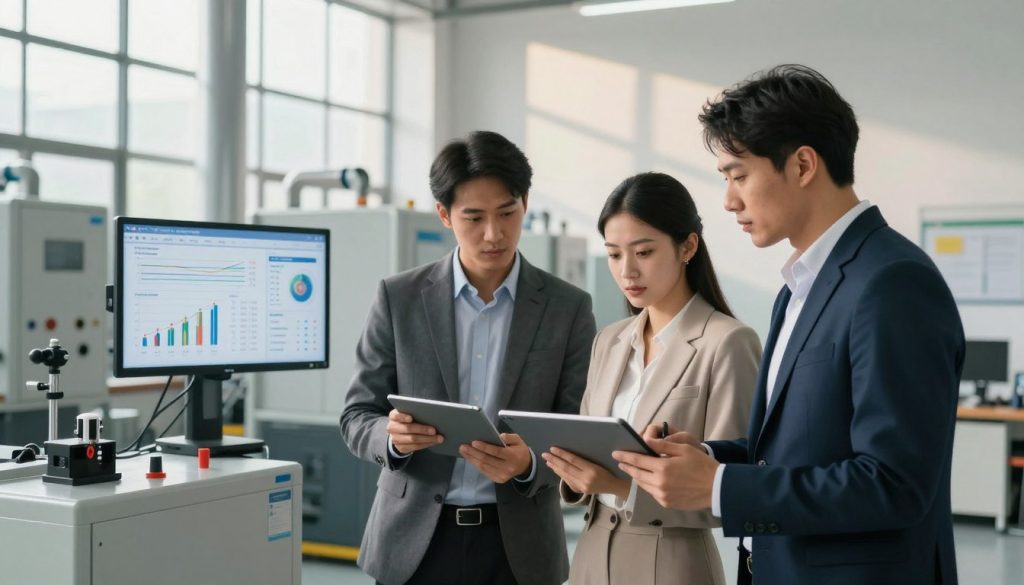
Recording usage patterns and peak demand times is crucial for understanding how and when energy is being consumed. This information can help in optimizing energy usage and reducing waste. Advanced energy monitoring systems can provide detailed insights into energy consumption patterns.
Benefits of recording usage patterns include:
- Identifying opportunities for load shifting and energy storage
- Optimizing energy usage during off-peak hours
- Reducing peak demand charges
Common Problem Areas to Watch For
During your energy audit, there are several common problem areas to watch for that can significantly impact energy efficiency. These include inefficient lighting, outdated HVAC systems, and poor insulation.
| Problem Area | Description | Potential Solution |
|---|---|---|
| Inefficient Lighting | Outdated or inefficient lighting systems | Upgrade to LED lighting or smart lighting controls |
| Outdated HVAC Systems | Old or inefficient heating, ventilation, and air conditioning systems | Upgrade to energy-efficient HVAC systems or implement regular maintenance |
| Poor Insulation | Inadequate insulation leading to heat loss or gain | Improve insulation in walls, floors, and ceilings |
Step 2: Select and Install Advanced Energy Monitoring Tools
The next crucial step in optimizing your energy management is selecting and installing advanced energy monitoring tools. Advanced energy monitoring is essential for gaining a deeper understanding of your energy consumption patterns, allowing you to make informed decisions about energy efficiency improvements.
Evaluating Smart Meter Options for Your Needs
When it comes to smart meters, there are various options available, each with its unique features and benefits. Key considerations include accuracy, communication protocols, and data storage capabilities. It’s essential to evaluate these factors in the context of your specific energy management needs.
- Accuracy: Look for meters that provide precise measurements.
- Communication Protocols: Ensure the meter can communicate effectively with your existing systems.
- Data Storage: Consider meters with adequate data storage to track your energy usage over time.
Deploying Sensors at Critical Points
Deploying sensors at critical points throughout your facility is vital for comprehensive energy monitoring. Sensors can track various parameters, including temperature, humidity, and occupancy, providing valuable insights into how different factors affect your energy consumption.
Best practices for sensor deployment include:
- Identifying key areas of energy consumption.
- Selecting the right type of sensor for each application.
- Ensuring sensors are calibrated correctly for accurate readings.
Integrating Energy Analytics Software Platforms
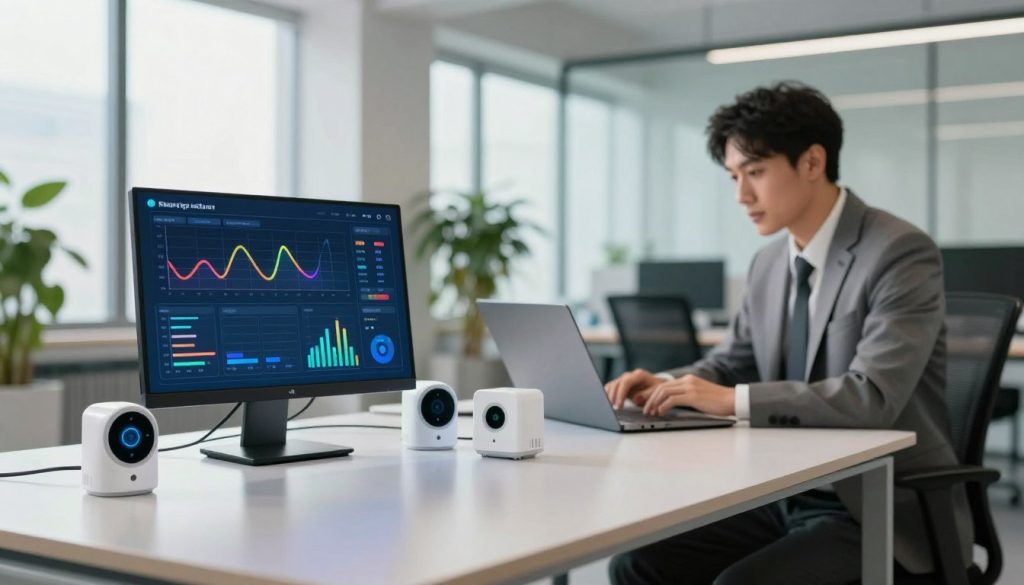
Energy analytics software is a powerful tool for analyzing data from your energy monitoring systems. By integrating this software into your energy management system, you can gain a more nuanced understanding of your energy usage patterns and identify opportunities for savings.
Ensuring Compatibility with Existing Systems
Ensuring that your new energy monitoring tools are compatible with your existing infrastructure is crucial. This involves checking that the communication protocols and data formats used by your new tools are compatible with your current systems.
To achieve compatibility, follow these steps:
- Consult with your energy monitoring tool provider about compatibility.
- Assess your existing infrastructure to identify potential integration challenges.
- Plan the integration process carefully to minimize disruptions.
Step 3: Set Up Intelligent Power Management Controls
Implementing intelligent power management controls is a crucial step towards achieving energy efficiency in your facility. This involves leveraging advanced technologies to monitor and control energy usage in real-time, ensuring that your energy consumption is optimized for both cost and performance.
Automating Heating, Cooling, and Ventilation Systems
One of the key aspects of intelligent power management is the automation of Heating, Cooling, and Ventilation (HVAC) systems. By integrating smart thermostats and sensors, you can ensure that your HVAC systems operate only when needed, and at the optimal levels, thereby reducing unnecessary energy consumption.
Benefits of Automating HVAC Systems:
- Reduced energy waste through precise temperature control
- Improved comfort levels for occupants
- Extended lifespan of HVAC equipment through optimized usage
Programming Lighting Controls and Occupancy Sensors
Another critical component is programming lighting controls and occupancy sensors. This ensures that lighting is adjusted based on the presence of occupants and the time of day, further reducing energy waste.
Smart lighting solutions can be programmed to dim or turn off lights when not needed, and occupancy sensors can detect when rooms are unoccupied, automatically switching off lights and other equipment.
Implementing Holistic Energy Control Strategies
A holistic approach to energy control involves integrating various systems to work together seamlessly. This includes combining data from HVAC, lighting, and other energy-using systems to create a comprehensive energy management plan.
Balancing Comfort with Efficiency
One of the challenges in implementing intelligent power management controls is balancing comfort with efficiency. Advanced systems can monitor and adjust settings in real-time to ensure that occupants remain comfortable while minimizing energy waste.
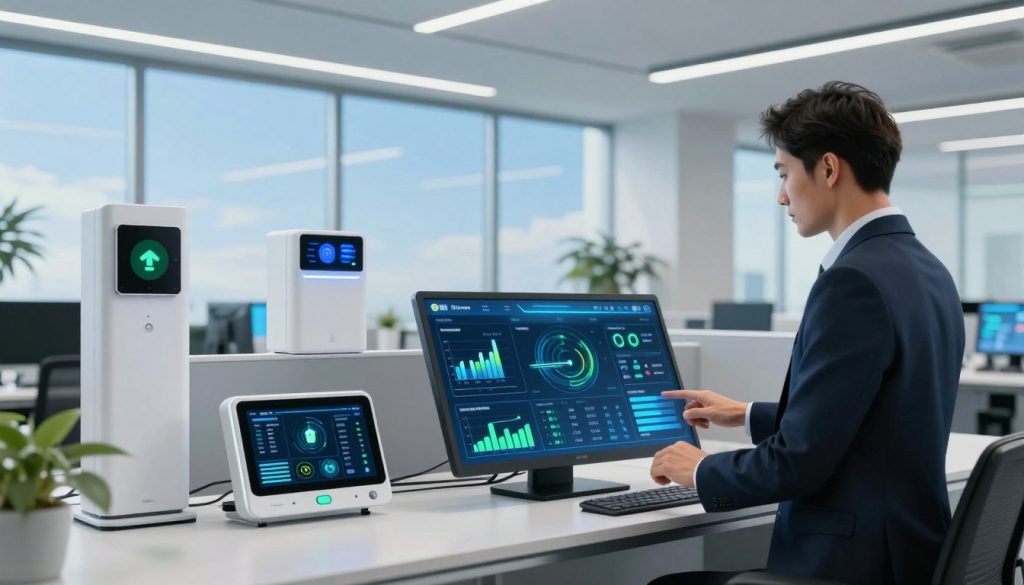
By implementing these strategies, businesses can achieve significant reductions in energy consumption while maintaining a comfortable and productive environment for their employees.
Step 4: Analyze Data to Optimize Energy Consumption
The fourth step in creating a structured energy system involves analyzing data to identify opportunities for energy optimization. By leveraging the data collected from your energy monitoring systems, you can make informed decisions to reduce waste and improve efficiency.
Reading and Interpreting Dashboard Analytics
Dashboard analytics provide a comprehensive overview of your energy usage patterns. To effectively read these analytics, focus on key metrics such as peak demand times, energy consumption trends, and anomalies in usage patterns. Understanding these metrics is crucial for identifying areas where energy is being wasted or used inefficiently.
Spotting Waste and Inefficiency Opportunities
Once you have a clear understanding of your energy usage patterns, the next step is to identify opportunities for improvement. Look for trends or patterns that indicate waste or inefficiency, such as high energy consumption during off-peak hours or unusual spikes in demand. By pinpointing these areas, you can develop targeted strategies to address them.
Making Strategic Adjustments Based on Insights
After identifying areas for improvement, it’s time to make strategic adjustments. This might involve adjusting your energy usage patterns, optimizing equipment performance, or implementing new energy-saving technologies. The key is to use the insights gained from your data analysis to inform your decisions and drive meaningful change.
Setting Realistic Energy Reduction Targets
Setting realistic energy reduction targets is essential for measuring the success of your energy optimization efforts. To set effective targets, consider factors such as your current energy usage, historical data, and industry benchmarks. By establishing clear and achievable goals, you can track your progress and make adjustments as needed.
| Energy Reduction Target | Description | Potential Savings |
|---|---|---|
| Optimize Lighting Systems | Implement energy-efficient lighting and controls | 20-30% |
| Adjust HVAC Settings | Optimize heating, cooling, and ventilation systems | 15-25% |
| Improve Equipment Efficiency | Upgrade to energy-efficient equipment and machinery | 10-20% |
By following these steps and leveraging integrated energy analytics, you can achieve significant reductions in energy consumption and optimize your energy usage.
Step 5: Build Sustainable Energy Management Habits
Building sustainable energy management habits is a critical step towards achieving long-term energy efficiency. It’s not just about implementing the right technology, but also about fostering a culture that values energy conservation.
Training Staff on Conservation Best Practices
Training your staff on energy conservation best practices is essential. This includes educating them on the importance of turning off lights, electronics, and equipment when not in use. Regular training sessions can help reinforce these habits and encourage employees to identify areas for improvement.
- Conduct workshops on energy-saving techniques.
- Provide resources on energy-efficient practices.
- Encourage employee feedback on energy usage.
Creating Clear Accountability Systems
To ensure that energy management remains a priority, it’s crucial to establish clear accountability systems. This involves assigning responsibilities to team members and setting clear goals for energy reduction. Regular progress updates can help maintain momentum and identify areas for improvement.
- Assign an energy manager to oversee energy usage.
- Set specific, measurable energy reduction targets.
- Conduct regular audits to assess progress.
- Recognize and reward teams for achieving energy savings.
Scheduling Preventive Maintenance
Regular maintenance is vital to ensuring that energy systems operate efficiently. Scheduling preventive maintenance can help prevent equipment failures and reduce energy waste. This includes tasks such as cleaning filters, inspecting equipment, and performing routine repairs.
By implementing these habits, organizations can achieve significant energy savings and maintain a sustainable energy management system.
Calculating Your Energy Savings and Return on Investment
To truly appreciate the value of smart energy optimization, it’s essential to measure the savings it generates. By implementing a structured energy management system, businesses can significantly reduce their energy consumption and lower their operational costs.
Tracking Monthly Cost Reductions
One of the primary benefits of a structured energy management system is the ability to track monthly cost reductions. By monitoring your energy usage in real-time, you can identify areas where you’re saving money and make adjustments to further optimize your energy consumption.
For instance, by analyzing your energy usage patterns, you might discover that you’re using more energy during off-peak hours than necessary. By adjusting your usage, you can reduce your energy bills and save even more.
Measuring Environmental Impact Improvements
In addition to cost savings, a structured energy management system can also help you measure the environmental impact of your energy usage. By reducing your energy consumption, you can lower your carbon footprint and contribute to a more sustainable future.
- Reduced greenhouse gas emissions
- Lower reliance on fossil fuels
- Improved air quality
Projecting Long-Term Financial Benefits
Finally, a structured energy management system allows you to project the long-term financial benefits of your energy efficiency efforts. By analyzing your energy usage trends and identifying areas for improvement, you can make informed decisions about future energy-saving projects and investments.
For example, by investing in energy-efficient lighting and HVAC systems, you can significantly reduce your energy consumption and enjoy long-term cost savings.
Conclusion
Implementing a structured energy management system is a significant step towards achieving optimized energy consumption and reducing your business’s environmental footprint. By following the steps outlined, you can transform your energy usage patterns and reap the benefits of sustainable energy management.
From conducting a thorough energy audit to training your staff on conservation best practices, each step plays a crucial role in achieving long-term energy efficiency. With the right tools and strategies in place, you can significantly reduce your energy waste, lower your utility bills, and contribute to a more sustainable future.
As you move forward, remember that sustainable energy management is an ongoing process. Continuously monitor your energy usage, analyze data to identify areas for improvement, and make adjustments as needed. By doing so, you can ensure that your business remains on the path to optimized energy consumption and maximum cost savings.
Take the first step today towards a more energy-efficient tomorrow. Start implementing these strategies and experience the benefits of sustainable energy management for yourself.